
Psychologists still debate exactly how willpower works, and some well-known findings about it have been hard to reproduce. But almost everyone recognizes the pattern: after a long day of decisions, your resistance is lower. That's when the late-night online cart gets checked out and the takeout gets ordered.
You can try to be more disciplined. Or you can set things up so that you rarely need to be. The second approach works better, because it doesn't depend on how you feel at the moment the temptation appears.
Cut the prompts
Most spending starts with a prompt: a sale email, a push notification, an ad in your feed. Unsubscribe from retailer emails, turn off shopping app notifications, and delete the apps you tend to browse when you're bored. Every prompt you remove is a decision you'll never have to make.
Add a little friction
Make spending slightly harder than it is now. Remove saved cards from shopping sites and your browser so every purchase means getting up to find your wallet. Log out of the stores you overspend at. For anything that isn't essential, add a waiting rule: if you still want it in 48 hours, buy it.
Make saving the default
The strongest way to remove temptation is to make sure the money isn't sitting there to begin with. Automatic transfers to savings the day after payday mean the only money in your chequing account is money you're allowed to spend.
Watch the defaults that work against you
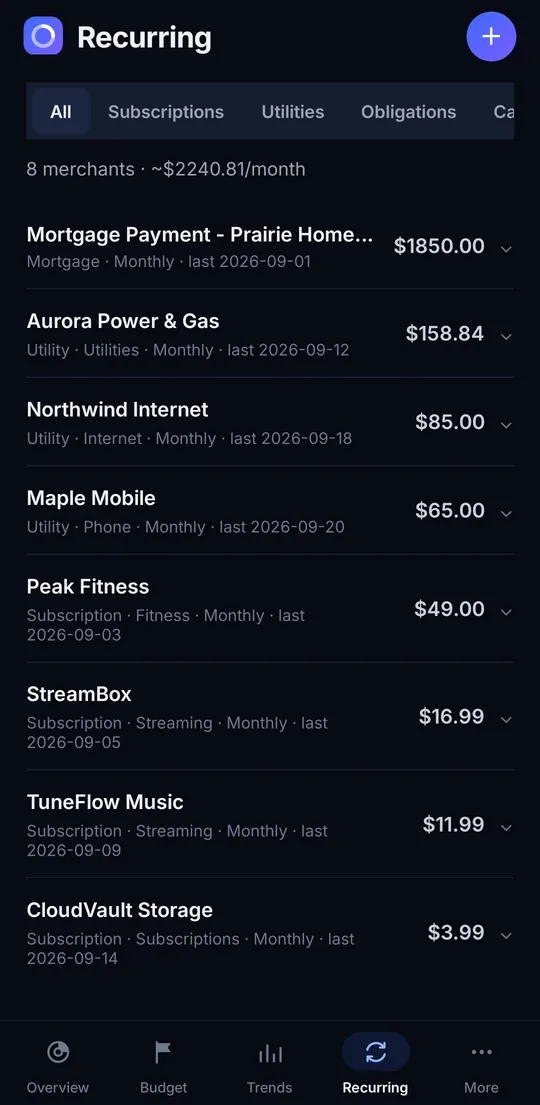
Free trials that roll into paid plans, subscriptions that renew every year, prices that creep up a dollar at a time. These rely on you not paying attention. Put a reminder in your calendar before any trial ends, and review your recurring charges at least twice a year. The subscription audit walks through it step by step.
Know your number before you shop
Temptation is strongest when you don't know what you can afford. A "yes" feels harmless when your balance looks healthy. SmartSpend AI's safe-to-spend number, the lowest your balance will reach over the next 30 days once your bills and paycheques are counted, gives you a quick, honest check before you buy. And its list of recurring charges, with price changes flagged, makes the quiet subscriptions easy to spot and cancel.
Discipline is still useful. But the less you have to rely on it, the better your money will do.
Comments
Comment submissions will be available soon. In the meantime, you can reach out directly by email.