You earn enough to cover your bills. On paper, the month works. And yet, like clockwork, the last week before payday is tight: the balance dips, you hold off on groceries, and a surprise charge means a nervous look at the overdraft.
You're far from alone. A Leger poll found that around 46 per cent of Canadians say they run out of money before their next pay date. For many of them, the problem isn't how much they earn. It's when the money arrives and when it leaves.
It's a timing problem
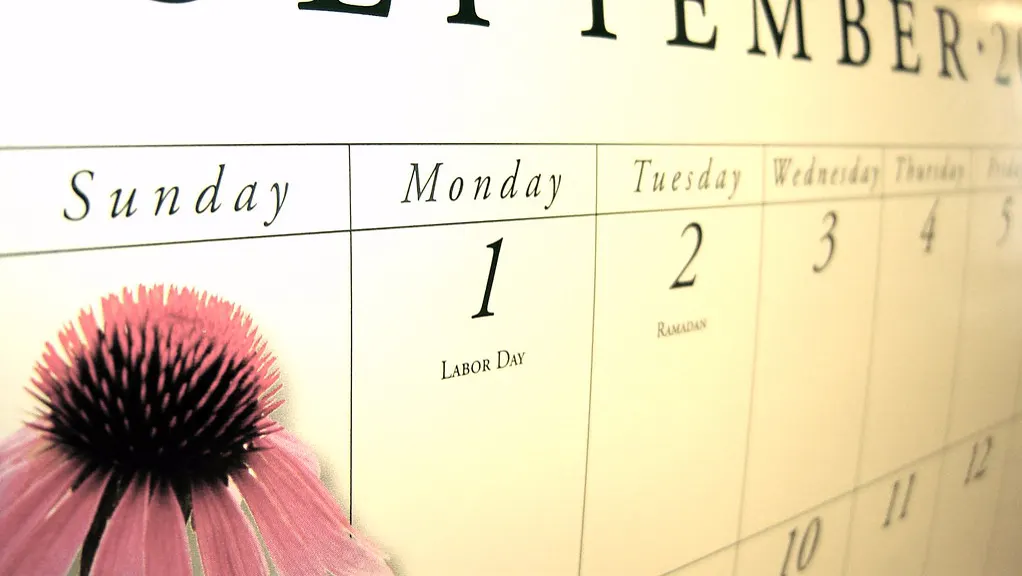
Pay usually arrives on a fixed schedule — every other Friday, or the 15th and the last day of the month. Bills don't follow that schedule. Rent or the mortgage is often due on the 1st. Credit card due dates, car payments, phone and insurance bills land wherever they were set up, often years ago. When several big ones fall in the same stretch before payday, the balance takes a deep dive even though the month as a whole balances out.
Your balance on any given day tells you almost nothing about this. It shows what's there now, not what's already committed to leave before the next paycheque arrives.

Find your low point
The number that matters is your low point: the lowest your balance will reach before your next paycheque, after every bill that's coming. To find it, take today's balance, then walk forward day by day, subtracting each bill on the day it's due and adding each paycheque on the day it lands. The smallest number along the way is your low point. Whatever is above zero at that point is what's genuinely safe to spend.
How to raise it
Move due dates. Many credit card issuers, phone companies and utilities will let you change your payment date — ask for one a few days after payday. Spreading bills across both halves of the month can transform a tight week.
Split big payments. If one large bill causes the dip, see whether it can be paid in two halves, or set aside half from each paycheque into a separate account.
Build a one-month buffer. Once you have one month of expenses sitting in chequing, the timing stops mattering — you're paying this month's bills with last month's income. It takes time to build, but it's the single biggest stress-reducer on this list.
Watch the annuals. Insurance premiums, memberships and property tax instalments often cause the worst months. Divide them by 12 and save that much monthly.
Let the calendar do the math
Walking every bill forward by hand is tedious, which is why almost nobody does it. SmartSpend AI does it for you: from your statements it learns when your paycheques and bills usually land, walks your balance forward over the next 30 days, and shows you your low point and what's safe to spend — so a bill landing before payday never catches you out again.
Comments
Comment submissions will be available soon. In the meantime, you can reach out directly by email.