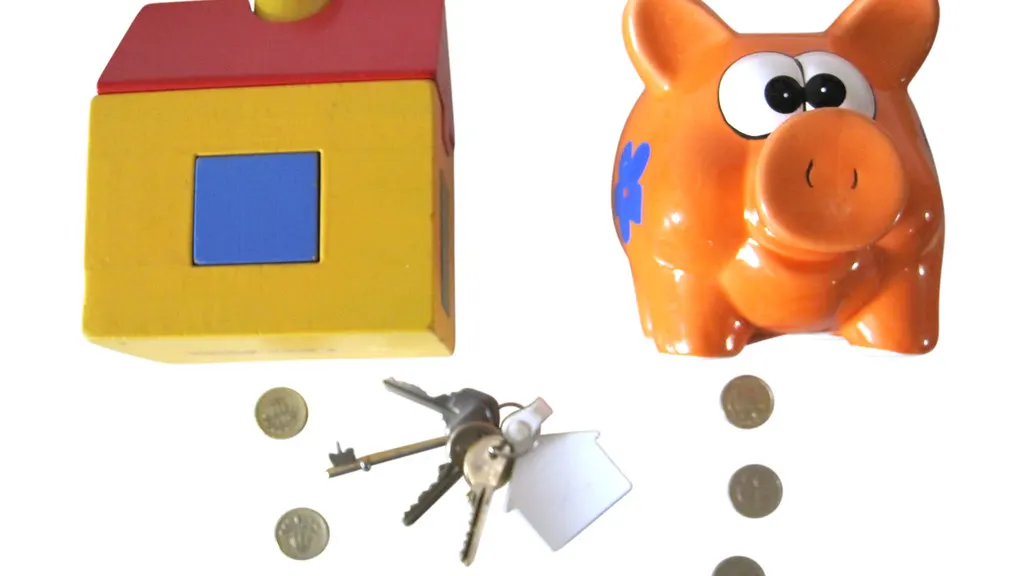
Saving for a first home can feel like trying to hit a target that keeps moving. Prices change, rules change, and the number you need seems impossibly large next to what's left at the end of each month. The way through is to replace the big, scary number with a small, repeatable one.
Know the real minimum
In Canada the minimum down payment depends on the purchase price: 5 per cent of the first $500,000, and 10 per cent of any portion between $500,000 and $1.5 million. Homes priced at $1.5 million or more need at least 20 per cent down. With less than 20 per cent down you'll also pay mortgage default insurance, which is added to your mortgage.
So on a $600,000 home, the minimum is 5 per cent of $500,000 ($25,000) plus 10 per cent of the remaining $100,000 ($10,000): $35,000. Add closing costs — lawyer fees, inspection, and land transfer tax where it applies — and a sensible target is often a few per cent more.
Turn the target into a monthly amount
Pick a date. $35,000 in four years is about $730 a month; in five years it's about $585. That's still a lot of money, but it's a number you can compare against your actual spending and plan around. If it doesn't fit, you have three levers: a longer timeline, a lower target price, or finding the money elsewhere in your budget.
Use the tax-sheltered accounts
The First Home Savings Account (FHSA) is built for exactly this. You can contribute up to $8,000 a year, to a lifetime maximum of $40,000. Contributions are tax-deductible like an RRSP, and qualifying withdrawals to buy your first home are tax-free like a TFSA. Unused room carries forward, but only up to $8,000 — so opening the account early, even with a small deposit, starts the clock on your room. A couple buying together can each have one.
The RRSP Home Buyers' Plan also lets first-time buyers withdraw up to $60,000 from their RRSPs for a home, to be repaid over time. And a TFSA is a flexible place to hold any savings beyond those limits.
Automate it, then leave it alone
The most reliable savers don't rely on willpower. Set an automatic transfer for the day after payday, into an account you don't see every time you open your banking app. Money that never lands in your chequing account is money you won't accidentally spend.
Don't starve everything else
Burnout happens when saving for a house means saying no to every other thing. Keep a small emergency fund separate from the down payment, so a car repair doesn't raid your house money. Pay down high-interest card debt first — it grows faster than your savings do. And budget a little for enjoying your life now; a plan you can keep for four years beats a heroic one you abandon in four months.
Check your progress against reality
In SmartSpend AI you can name a goal like "down payment", set the target and date, and it works out the monthly amount, fits it into your budget alongside your other priorities, and looks for the savings transfers in your statements that show you're actually on track.
Comments
Comment submissions will be available soon. In the meantime, you can reach out directly by email.